
Sustainable Casting – Alpo Keinänen and his team develop a biodegradable cast that can be applied in minutes
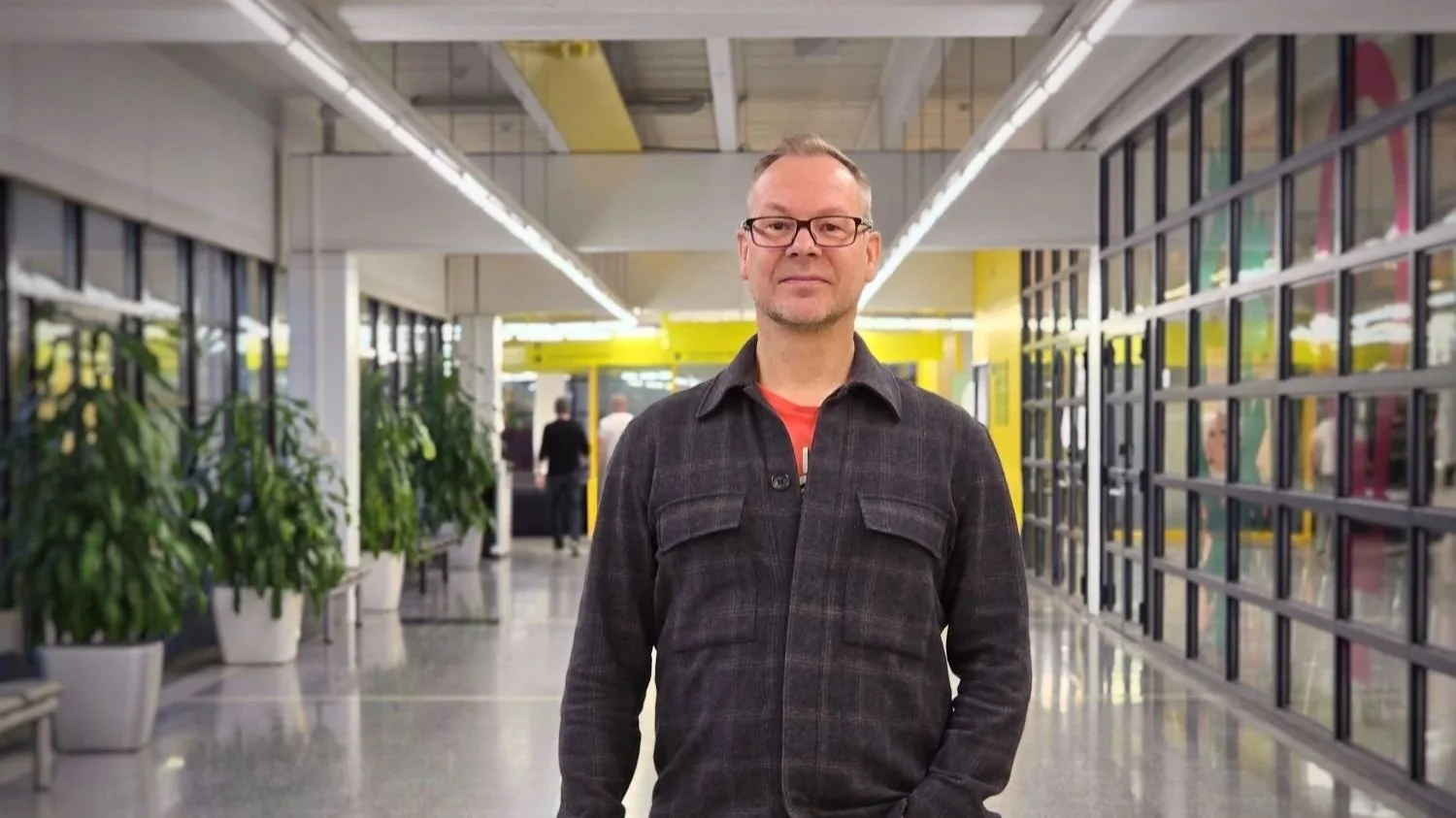
Alpo Keinänen and his team develop a new cast and splinting solution that addresses the biggest challenges of casting.
Have you ever had a broken limb put in a cast? Then you know it’s neither a quick nor an easy process. Entrepreneur, designer and Bio‑Design Innovation Fellow Alpo Keinänen noticed the same thing while participating in the year‑long Biodesign Finland program. From hands‑on observations came an idea — and from the idea, a solution that benefits healthcare staff, patients, and hospitals alike.
“There is always a solution once you identify the real need.”
This thought guides Alpo Keinänen, who has worked as an entrepreneur and designer for more than 25 years. With the same mindset, he joined the Biodesign Finland program, where participants observe real challenges in healthcare and develop commercially viable solutions.
During the program, Keinänen was given access to hospitals to observe the daily routines of staff and patients. He followed doctors and nurses in operating rooms, emergency care, outpatient clinics, and even in ambulances. His task was to identify problem areas where new solutions were needed. And he found one: the casting process forms a bottleneck across the entire care pathway, burdening staff, patients, and the budgets of wellbeing services counties.
“Casting is very slow, multi‑step, and expensive. It requires a specialist trained in casting, special facilities and tools, and almost an hour of time. As a result, one cast can easily cost 600–1000 euros. And since a cast needs to be changed 2–3 times during treatment, this cost and time expenditure multiplies,” Keinänen explains.
“From the patient’s perspective, a traditional cast is inconvenient because the limb can’t be cleaned properly. It’s also uncomfortable to wait in the emergency room for a casting specialist to become available.”
Keinänen also realized how unsustainable current casts are: they are made of fiberglass, resin, plastic, and other mostly fossil‑based materials, resulting in a large carbon footprint. In hospitals all waste must be incinerated, creating additional emissions.
“When I saw all these challenges, I knew there had to be a better solution.”
A faster and lighter solution
To develop one, Keinänen assembled a team of experts from the University of Oulu and Aalto University. Based on his observations, the Plastech project was launched to create a new cast and splinting method made from biodegradable materials. Instead of taking up to an hour, the cast can be applied in just a few minutes. It is so easy to use that anyone can apply it anywhere, without specialized facilities or tools. The prototype developed by Keinänen’s team can also be opened and closed, so it does not need to be replaced for cleaning.
“Our solution addresses the biggest challenges of casting, making life easier for both hospital staff and patients,” Keinänen says. “One cast costs only about one‑tenth of traditional methods, and its production has very low emissions.”
The method is suitable not only for casting but also for many other medical applications. It can be used for solutions in operating rooms and as a replacement for several other single‑use plastic items. Since the cast can be applied anywhere, it has potential use in sports centers, emergency care, the defence forces, crisis situations, and remote locations where hospitals and help are far away.
Next steps
The Plastech project has received Proof of Concept funding from the University of Oulu and Research to Business funding from Business Finland. The project has also been supported by the Riitta and Jorma J. Takanen Foundation. With this funding, the team has developed and tested the prototype, built the business model, and prepared patent applications.
Medical devices are classified into three main categories based on their intended use and potential risks. The team’s solution belongs to Class I, which means a significantly lighter regulatory pathway compared to higher‑risk categories.
“Bringing our solution to market does not require heavy regulation or approval processes. Developing a market‑ready product is more than twice as fast and requires less than half the budget compared to Class II medical devices. We will soon begin preclinical - and later clinical testing in hospitals. Before that, we are focusing on advancing the patent process,” Keinänen explains.
The Plastech project is an example of how need‑based design, and multidisciplinary collaboration can produce impactful solutions that benefits everyone.
“Identifying the real need is the most important, and often the most challenging, part of the entire project. I believe we have succeeded in that and created a solution with genuine demand and strong commercial potential,” Keinänen concludes.
Contact
Want to know more about the Plastech project? Contact Alpo Keinänen:
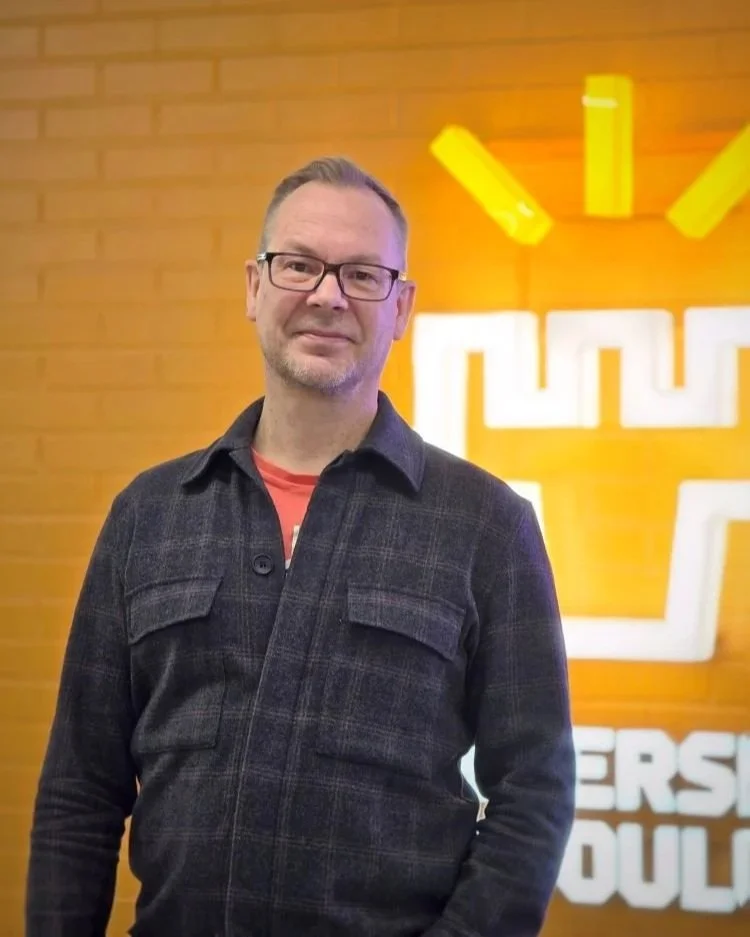
Alpo Keinänen
alpo.keinanen@oulu.fi
+358 40 512 4321
Are you a researcher at the University of Oulu seeking greater impact through collaboration with companies? Want to apply for Business Finland research funding for your project?
Contact the Innovation Centre experts! We support researchers in commercialization, IP matters, identifying market potential, business development, Business Finland funding applications, and building collaboration networks with industry.